
corporate tax UAE
Corporate Tax Registration Guide: Everything UAE Businesses Need to Know
Learn everything about Corporate Tax registration in the UAE, including FTA registration, VAT compliance, bookkeeping, filing deadlines, tax penalties, Tax Residency Certificates, audit preparation, and record-keeping requirements to help your business stay compliant with expert support from Fimkin Business Services.
The UAE introduced Corporate Tax to align with international tax standards while maintaining a competitive business environment. Every business owner should understand the corporate tax registration process, VAT requirements, accounting obligations, and compliance deadlines to avoid penalties.
This guide covers everything from corporate tax registration to VAT filing, bookkeeping, tax residency certificates, and audit preparation.
Corporate Tax Registration Guide
Corporate Tax registration is mandatory for businesses that meet the UAE Federal Tax Authority (FTA) requirements. Businesses should register within the specified deadline and obtain their Corporate Tax Registration Number.
Who Must Register for Corporate Tax?
Corporate Tax generally applies to mainland companies, many free zone businesses (subject to qualifying conditions), and other taxable entities operating in the UAE. Companies should verify their registration obligations based on FTA regulations.
VAT Registration Process
Businesses exceeding the mandatory VAT threshold must register with the Federal Tax Authority. After registration, a VAT Registration Number (TRN) is issued for tax compliance.
VAT Return Filing Guide
Registered businesses must file VAT returns within the required deadlines. Accurate reporting of sales, purchases, and recoverable VAT helps businesses remain compliant.
Corporate Tax Deadlines
Meeting Corporate Tax filing deadlines is essential. Missing deadlines may result in administrative penalties and additional compliance issues.
Corporate Tax Penalties
Failure to register, file returns, or pay taxes on time can lead to penalties imposed by the Federal Tax Authority. Businesses should maintain accurate records and submit returns promptly.
VAT Penalties Explained
Common VAT penalties include late registration, delayed VAT return filing, incorrect tax calculations, and failure to maintain records.
Accounting for SMEs
Small and medium-sized businesses should maintain organized financial records to support tax filings, improve financial management, and meet regulatory requirements.
Bookkeeping Importance
Proper bookkeeping records every business transaction, making Corporate Tax and VAT compliance easier while improving financial decision-making.
Tax Residency Certificate Guide
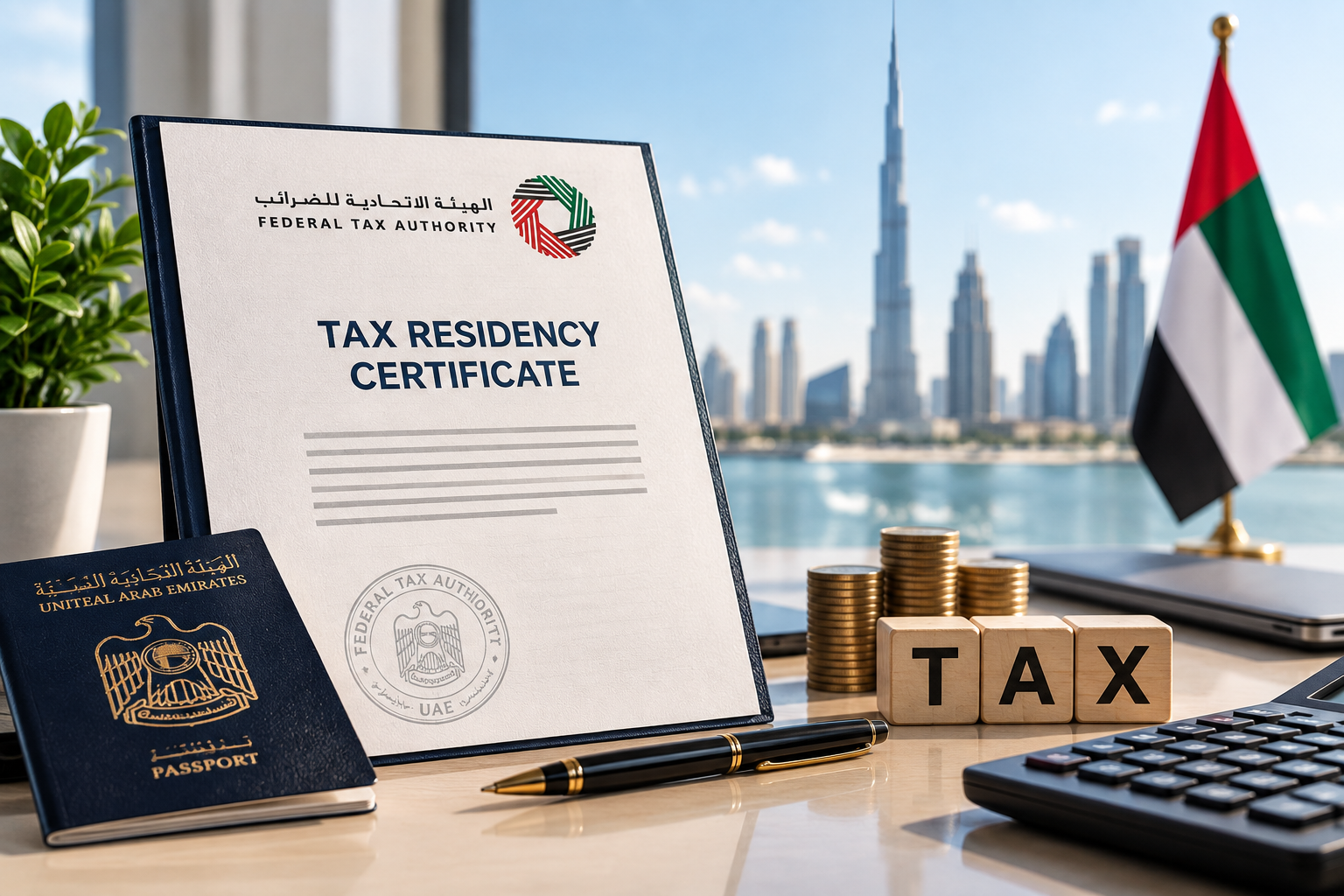
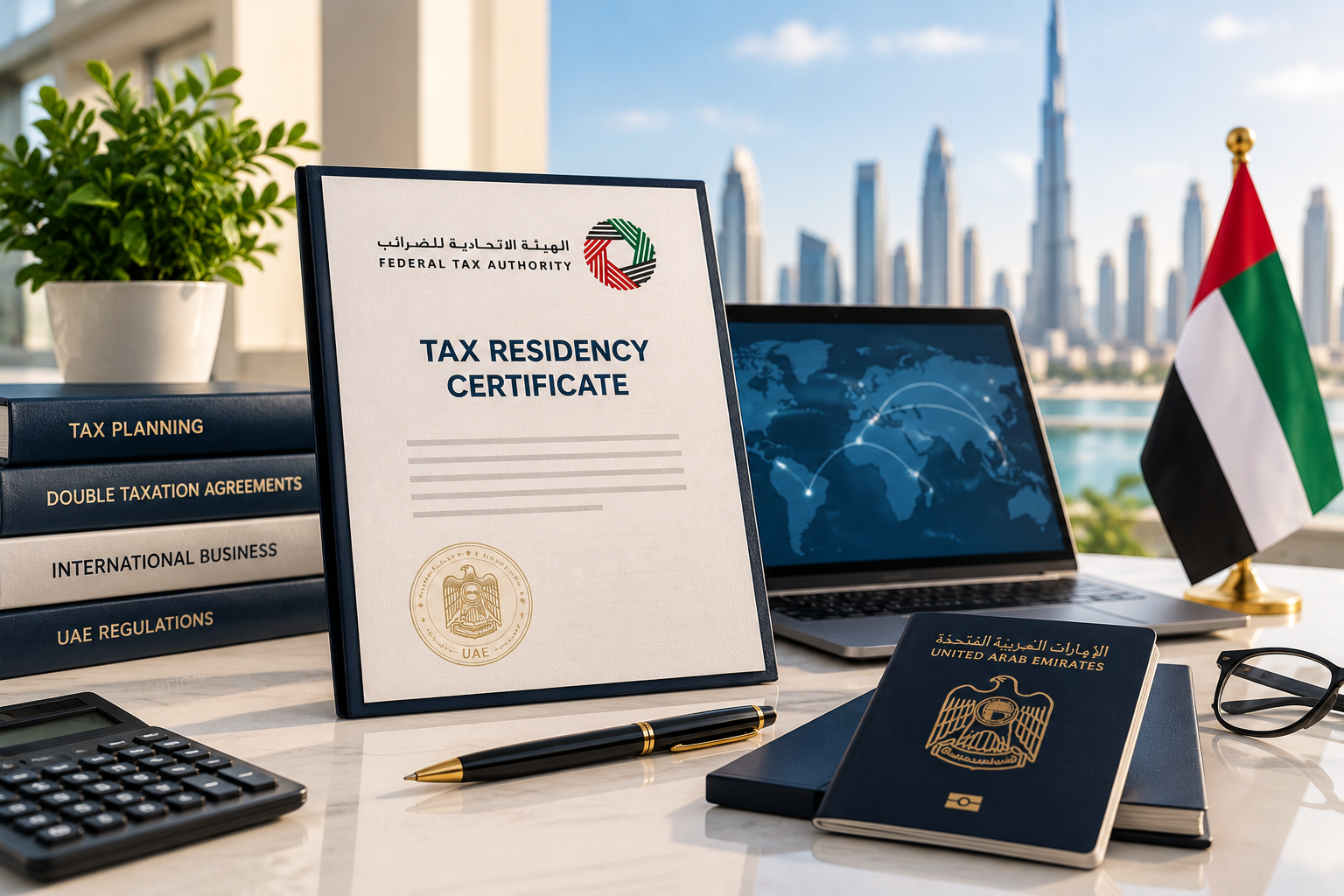
A UAE Tax Residency Certificate (TRC) helps eligible companies benefit from Double Taxation Avoidance Agreements (DTAAs). It is issued by the Federal Tax Authority and confirms the company's tax residency status in the UAE.
Related Service: UAE Tax Residency Certificate (TRC)
Explore our service:
https://www.fimkinonline.com/services/40f05737-5999-43b8-96d8-2f58121fb5cd
Businesses requiring assistance with obtaining a UAE Tax Residency Certificate can use Fimkin's UAE Tax Residency Certificate (TRC) Service – Company. The service includes eligibility assessment, document verification, application submission, and follow-up with the Federal Tax Authority, ensuring a smooth and compliant process.
Input VAT Explained
Input VAT refers to the VAT businesses pay on eligible purchases. Qualified businesses can recover this amount through VAT returns when the required conditions are met.
VAT Refund Process
Businesses eligible for VAT refunds should submit supporting documents and follow the Federal Tax Authority's refund procedures to receive approved refunds.
Corporate Tax Exemptions
Certain businesses and qualifying entities may benefit from Corporate Tax exemptions or special tax treatments under UAE regulations. Businesses should review the applicable conditions carefully.
Tax Audit Preparation
Preparing for a tax audit involves maintaining complete accounting records, invoices, contracts, and financial statements. Good recordkeeping makes audits easier and reduces compliance risks.
FTA Audit Guide
The Federal Tax Authority may conduct audits to verify compliance. Businesses should cooperate with auditors and provide accurate documentation when requested.
Common Accounting Mistakes
Common mistakes include inaccurate bookkeeping, missing invoices, incorrect VAT calculations, delayed filings, and poor record management. Regular reviews help prevent costly errors.
VAT for E-commerce
E-commerce businesses operating in the UAE must understand VAT obligations for online sales, digital services, imports, and exports while ensuring proper invoicing and tax reporting.
Corporate Tax for Free Zones
Qualifying Free Zone businesses may enjoy Corporate Tax benefits if they continue to satisfy the conditions established under UAE Corporate Tax regulations.
Record Keeping Requirements
Businesses should securely maintain accounting records, invoices, contracts, payroll information, and supporting documents for the period required by UAE tax laws.
Tax Compliance Checklist
Before filing taxes, businesses should:
● Complete Corporate Tax registration.
● Register for VAT if required.
● Maintain accurate bookkeeping records.
● Submit VAT returns on time.
● Meet Corporate Tax deadlines.
● Retain supporting documents.
● Prepare for possible FTA audits.
● Review tax obligations regularly.
Conclusion
Corporate Tax and VAT compliance have become an essential part of doing business in the UAE. Understanding registration requirements, maintaining accurate financial records, meeting deadlines, and following FTA regulations help businesses avoid penalties while ensuring smooth operations. Professional guidance can simplify the compliance process and allow businesses to focus on growth.
Frequently Asked Questions (FAQs)
1.Is Corporate Tax registration mandatory in the UAE?
Businesses that meet the UAE Corporate Tax requirements must register with the Federal Tax Authority.
2.What happens if I miss the registration deadline?
Late registration or filing may result in administrative penalties.
3.Who needs VAT registration?
Businesses exceeding the mandatory VAT threshold must register for VAT.
4.What is a Tax Residency Certificate (TRC)?
A TRC confirms a company's UAE tax residency and may help businesses benefit from Double Taxation Avoidance Agreements.
5.Why is bookkeeping important?
Accurate bookkeeping supports tax compliance, financial reporting, and business decision-making.